
About the Book
Turning the alphabet into a lifelong toolbox of mind skills and values for children.


The Origin
Where It All Began
In 2005, a medical crisis forced me to confront a difficult question: What if I don't get a chance to share my life with my son? He was just a year old then.
I thought about what truly matters. I wanted to offer my son a way of thinking, a toolbox of mind skills and values he could use throughout his life.
That thought became the seed for ABC Revisited.
My experiences as a mother, patient, and dentist have shaped my work over many years.
Today, ABC Revisited has evolved into ready-to-implement social-emotional learning lessons designed to support children as they learn, grow, and navigate real challenges, both in school and beyond.
I invite you to let ABC Revisited support you as you nurture the children in your life, helping them grow, persevere, and realize their full potential.
The Approach
Turning ABCs into Life Skills and Values
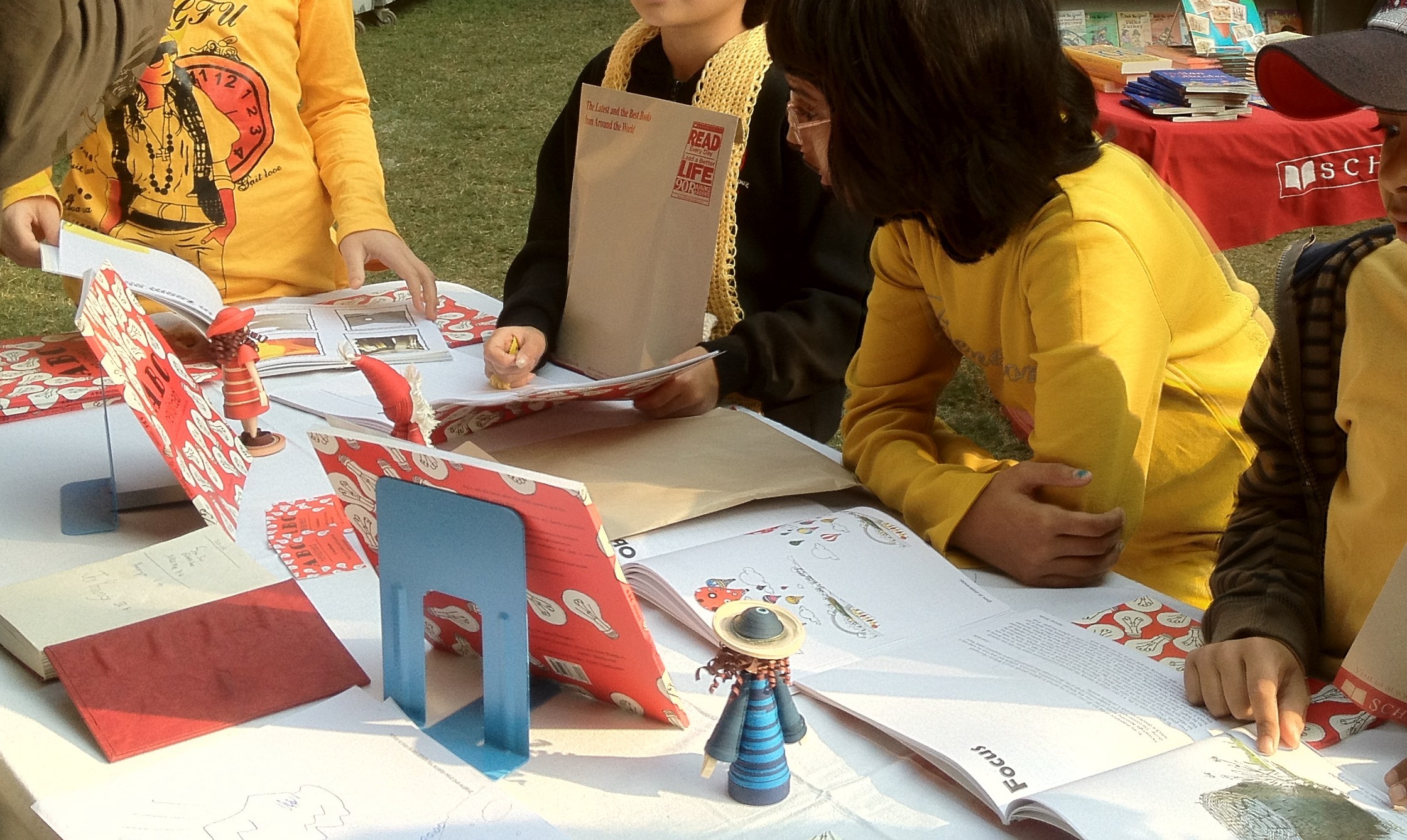
I find it amazing that the first things we learn remain with us forever. A for apple, B for boy, and C for cat have stayed with us for all these years. If it is so well remembered, then why not use this powerful tool to help children remember something more meaningful? Hence, the book is in an ABC format where each letter stands for a mind skill or value.
Verb for Each Letter
I have shortlisted a set of action-oriented words (mind skills and values) for this workbook. Each word is in its verb form. Verbs energize and inspire action, but merely knowing these verbs is not enough: one has to act on and experience them. However, feel free to use my selection as a guideline and add or replace verbs that inspire you. For instance, you might swap 'Discover' with 'Discipline' if it resonates more with your child's needs. This flexibility lets you tailor the workbook to your family's unique values and experiences.
Every word is accompanied by an activity designed to further convey one of the meanings of the word. Some of these activities also convey additional messages. For example, the words Focus and Visualize bring attention to environmental issues, engaging spatial intelligence. Analyze and Nurture emphasize the importance of family and relationships, tapping into interpersonal intelligence.
Everyday Creativity
The Power of Everyday Creativity
Before you begin, let me share a personal story that shaped this workbook's approach.
Some careful thought will be required to complete the workbook, but it can provide the satisfaction of passing your unique perspective and experiences on to your children, which is priceless. The process of creating this workbook and documenting my experience in explaining these words to my child has led me on a path of self-realization. I have become more aware of our surroundings and how we live our lives.
A few days ago, I observed two street kids playing badminton with a broken shuttle. They created badminton racquets by wearing brown paper bags on their hands and stabilizing them with bands on their wrists. They creatively addressed their need for a racquet. This example has made me and my child understand that creativity is an unlimited resource. Such narratives offer relatable examples, making the workbook not just a learning tool but a shared journey of discovery and growth, strengthening the parent-child bond.

Connecting Skills to Everyday Experiences
Stories That Bridge Generations and Abilities
Many of these experiences are included throughout the book to serve as a guide. In addition, individuals who have excelled in their fields share stories to illustrate the significance of certain words in their lives. For example, an athlete might describe their path to competence, while a child mastering a cartwheel offers a relatable and achievable example. By pairing these stories, children can see that the goals are within reach, making the meaning of each word tangible and helping them develop practical approaches to life.
Getting Started
How to Use ABC Revisited
Before beginning activities in this workbook, it is important to approach the process with an open mind and a willingness to engage. This workbook provides a dedicated space for you to systematically explore and reflect on your thoughts, actions, and feelings.
01
One Letter at a Time
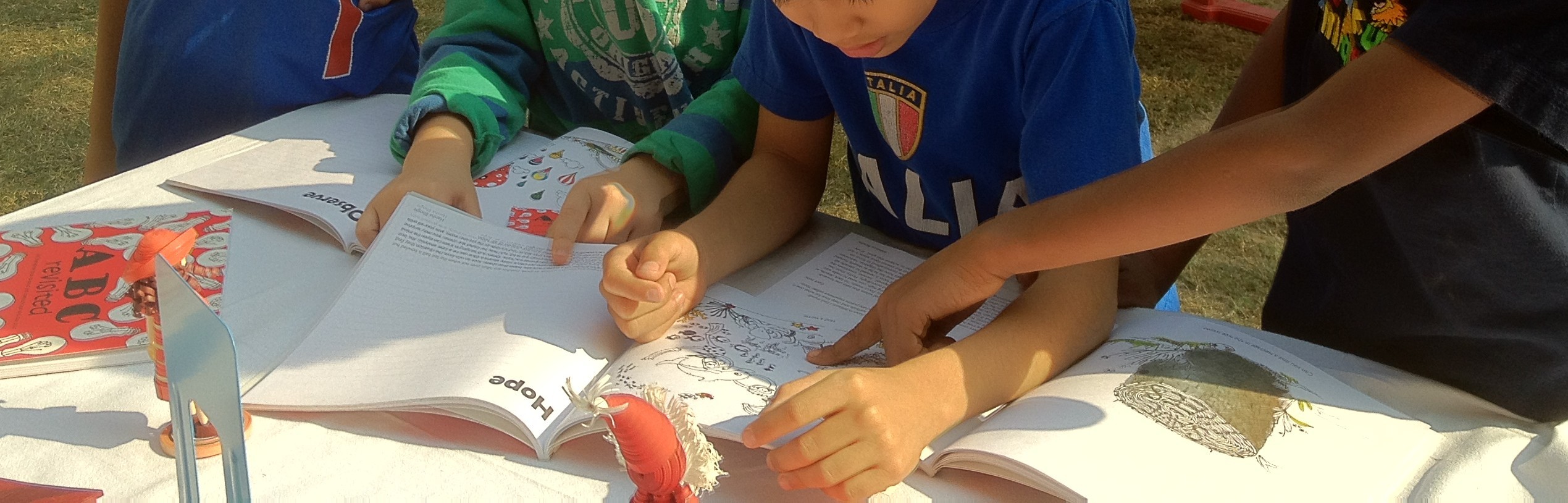
Each letter of the alphabet introduces a key life skill or value, such as Analyse, Balance, or Create. You can start with "A" and go in order, or pick the letter that interests you most today.There isn't one right order; this is your journey. For each verb, read its dictionary meaning, try the suggested activity, and then reflect on a personal experience or use the prompt to guide your thoughts. This book is not about right answers but about real ones. Feel free to skip around or revisit sections as you grow. Typically, an activity or reflection may take about 15–20 minutes, making it easy to fit into your daily routine. Skipping, returning, and even stumbling are valuable parts of this practice. If you haven't experienced the verb yet, look for opportunities in your daily life to try it.
02
Read, Reflect, Relate
Start by reading its dictionary meaning. Do the activity. Reflect on and share a personal experience from your daily life to show how it translates into daily activities. Consider discussing a time when things didn't go as planned and the lessons you gained from it. For example, you might share about a project that encountered unexpected challenges and how you navigated through them, turning setbacks into opportunities for growth. Inviting stories like these can inspire us to value vulnerable, genuine reflections.
03
Make It a Conversation
The workbook works beautifully when shared with family: Discuss one letter per week. To make it a regular part of your routine, consider setting aside a specific time, like during Sunday dinners or at bedtime. Having a consistent time can help build habits and make everyone look forward to these enriching discussions. In classrooms, use it independently or alongside existing Social Emotional Learning programs.
04
Express Creatively
Express yourself in ways that are meaningful to you and your child. Here are some ideas to get started: Consider adapting these activities to your child's age or interests, and tailor the experience to create something truly unique for your family. Start with pictures and drawings. Attach family photos from trips or events that you associate with the word. Add favorite quotes that inspire you. Document shared traditions, such as a song your family always sings together or stories that help you understand the meaning of the mindskills. Record voice notes to capture thoughts, stories, or songs. Watch movies, documentaries, and podcasts that exemplify the verb, and make notes in your workbook.
05
Revisit and Reflect Again
As you grow, your understanding will too. Return to earlier letters as you change and develop.
For Educators
ABC Revisited provides interactive, Pilot-ready Social-Emotional Learning (SEL) lessons that strengthen student engagement and foster family connection. Designed to improve attention, resilience, and a sense of classroom belonging, these lessons fit seamlessly into busy school schedules while addressing real student needs. They can be used independently or alongside existing SEL curricula.
Teachers get easy-to-follow scripts, student handouts, and quick check-ins. This makes it easy to see and discuss student progress.
Take-home prompts help students use SEL language and skills at home, so they hear the same messages from both school and family. This helps everyone communicate better and brings families and schools closer together.

Contact us to find out more about ABC Revisited. We'd love to show you how our program can support your school's SEL goals. After reaching out, our team will provide you with a detailed overview of the implementation process and discuss how our lessons can be tailored to fit your specific needs.
The Difference
What Makes ABC Revisited Unique
Before beginning activities in this workbook, it is important to approach the process with an open mind and a willingness to engage. This workbook provides a dedicated space for you to systematically explore and reflect on your thoughts, actions, and feelings.
01
Personal and Emotional Authenticity
ABC Revisited draws on real personal experiences and emotional authenticity, making each session relevant and meaningful.
02
Flexibility Across Settings and Schedules
The program is ready to implement and adapts to homes, schools, libraries, and community centers. It is usable year-round, even during exam seasons and holidays.
03
Holistic, Modular Structure with Action-Oriented Learning
ABC Revisited integrates storytelling, social and emotional learning (SEL), creative expression, and action-oriented practice through skill-based modules and sequenced lesson plans, offering both structure and flexibility.
04
Co-Creation and Personalization
It encourages participants to co-create portfolios or journals, which fosters ownership, personalization, and engagement.
05
Building Bridges Between School, Family, and Culture
The program fosters a shared language and partnership between schools and families, and adapts to all age groups and cultures.
Start Your Journey
Join families and educators who are reimagining learning through play, reflection, and creativity.
50% of the profits from the book sales support kidney research and patient empowerment. Every purchase helps move science forward and helps patients and families feel more informed, more confident, and less alone.
Kidney health and patient empowerment are at the core of our mission. As a kidney transplant recipient, I've experienced firsthand how powerful hope, listening, and giving can be, especially when life feels uncertain. The gift of life I received from my donor drives me to help others.